

Is this Perimenopause? Understanding Perimenopause and the Stages Beyond

An explanation and how to navigate this transitional time in your life
Are you experiencing:
changes to your periods | mood swings | poor sleep | weight gain | anxiety
If you are in your 40’s then this could be perimenopause. Perimenopause is a time of significant transition in a woman’s life, moving toward the end of reproductive years. It is defined as the 10 years leading into menopause, and most women will experience the beginning of perimenopause in their early 40’s. It is a natural transition, however this time can be challenging due to fluctuating hormone levels responsible for menstruation and fertility and means periods can become irregular, heavier or lighter, along with other changes, which are not always noticeable.
What are some of the Perimenopause Symptoms you could experience?
Weight gain.
Period irregularities such as, heavy bleeding, clotting, pain.
Gut issues such as, bloating or reflux.
Hot flushes and/or night sweats.
Sleep disturbances, such as, difficulty falling or staying asleep, or waking too early.
Irritability or quick to anger.
Mental health issues such as anxiety and/or depression.
Poor concentration and/or brain fog.
Low energy or fatigue.
Headaches.
Joint aches and pains.
Restless legs.
These symptoms can last for just a few months or for several years and you may not experience all of them as it differs for everyone, however the impact to you can be significant. It is recommended that you seek early and ongoing intervention to minimise the worst of your symptoms and protect the body from any long-term health outcomes such as bone loss leading to osteoporosis.
Hormonal Changes During Perimenopause and What This Means to You
It’s not just your periods that are impacted by the fluctuation of oestrogen during perimenopause. As a hormone (chemical messenger), oestrogen tells your body when to start and stop processes affecting your sexual and reproductive health as well as regulating numerous functions in your body. Some of the functions that are influenced by oestrogen are:
Sleep | mood | energy | metabolism |stress response
The two key female hormones involved in these changes are oestrogen and progesterone and this fluctuation leads to inconsistent ovulation. Many of the symptoms you experience are caused by this fluctuation and can make the body more sensitive to stress. This is an adaptation process that your body is experiencing and it’s trying its best to adapt to these changes.
What is Menopause?
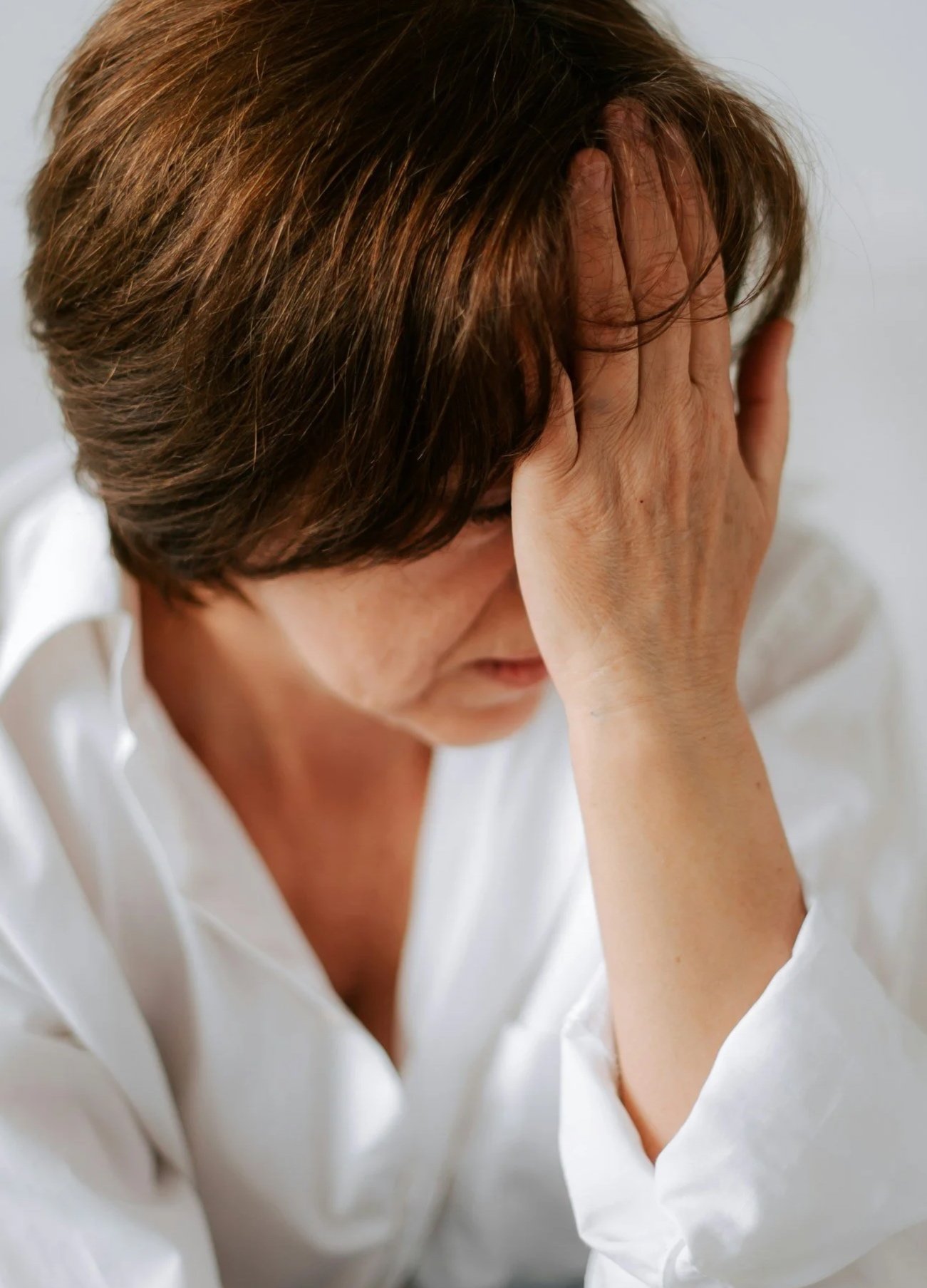
Menopause is the stage after perimenopause and refers to your final menstrual period. It is the 12-months after your last period and reflects the end of ovulation and subsequent periods. This also means that cyclical oestrogen and progesterone are no longer produced as part of normal ovulation. Most women will reach natural menopause between the ages of 45 and 55 years, average 51 years. Early menopause is often as a result of the surgical removal of both ovaries, or chemotherapy/radiotherapy, and is an immediate transition into menopause, without the slower transition of perimenopause.
Once you reach menopause you may still experience symptoms whilst your body is adjusting to the new baseline. These symptoms are often the same as those you experienced in perimenopause, however new symptoms may appear, and these may include:
hot flushes | night sweats | sleeping difficulties | bodily aches and pains | anxiety | vaginal dryness | loss of libido | urinary frequency | mood and memory changes | unwanted hair growth | thinning of scalp and pubic hair | skin changes
It’s important to note that this stage is transitional and is a natural phase of your menopause journey.
Entering the Post-Menopause Stage
You made it!
Post-menopause refers to the years following menopause, when hormone levels stabilise at a lower baseline.
Some women may still experience the perimenopause/menopause symptoms however, these symptoms generally ease over time. Some symptoms will persist beyond menopause, and you will need to be aware of new health concerns:
skin changes | decline in muscle mass | risk of osteopenia/osteoporosis | increased risk of cardiovascular disease | insulin resistance | increase in blood pressure | anxiety | vaginal dryness | loss of libido | urinary frequency | mood and memory changes | unwanted hair growth | thinning of scalp and pubic hair
Despite these new health concerns, this stage brings with it a new awareness and many women feel it is a time to re-evaluate where they are in their lives and set new goals for their future. It is important during this time to ensure you are taking care of yourself, both physically and emotionally, and realise that this is a brand-new phase in your life so take the time to assess your lifestyle and general health, and make a commitment to yourself for your long-term health and wellbeing.
Ways to Manage Your Symptoms
Managing your symptoms throughout perimenopause and menopause and then health concerns post-menopause requires a multi-faceted approach. There are many options to help you manage your symptoms, including:
your GP | medical specialists | clinical nutritionist | naturopath | herbalist | physical therapist | acupuncture | psychologist
When choosing someone to help you with your symptoms ensure that you are given a comprehensive health assessment that assesses:
symptoms | lifestyle | diet | chronic disease risk
This assessment may also include:
blood tests | functional testing | bone mineral assessment
You should then be given a tailored, comprehensive plan, with short and long-term treatment goals that incorporates the results of your health assessment and gives you options for:
nutrition | lifestyle | supplementation | hormone therapy | blood tests | functional tests | referrals if appropriate
These treatment options should be decided in consultation with you, allowing you to have a say in what your treatment looks like. You may need to engage with more than one practitioner as this will give you a variety of options including medical, nutrition, herbal and exercise.
Written by: Kathryn Stevenson, Clinical Nutritionist, BHSc (Clinical Nutrition), last updated May 2026
*References available upon request.
If you are interested in finding out whether Nourish Me Nutrition can help you, read our page Perimenopause, Menopause and Post-Menopause, and consider giving us a call on 0467 715 321 or email at admin@nourishmenutrition.com.au and we can discuss your options.